
Cambodia, with its rich history and cultural heritage, is home to some of the most magnificent temples in the world. The temples of Cambodia are not only architectural marvels but also important symbols of the country’s ancient civilizations and religious practices. Among them, the temples of the Angkor Archaeological Park are the most famous, but Cambodia boasts many other hidden gems that are just as awe-inspiring. Here’s your ultimate guide to the top 10 must-see temples in Cambodia, including tips on how to explore them.
1. Angkor Wat
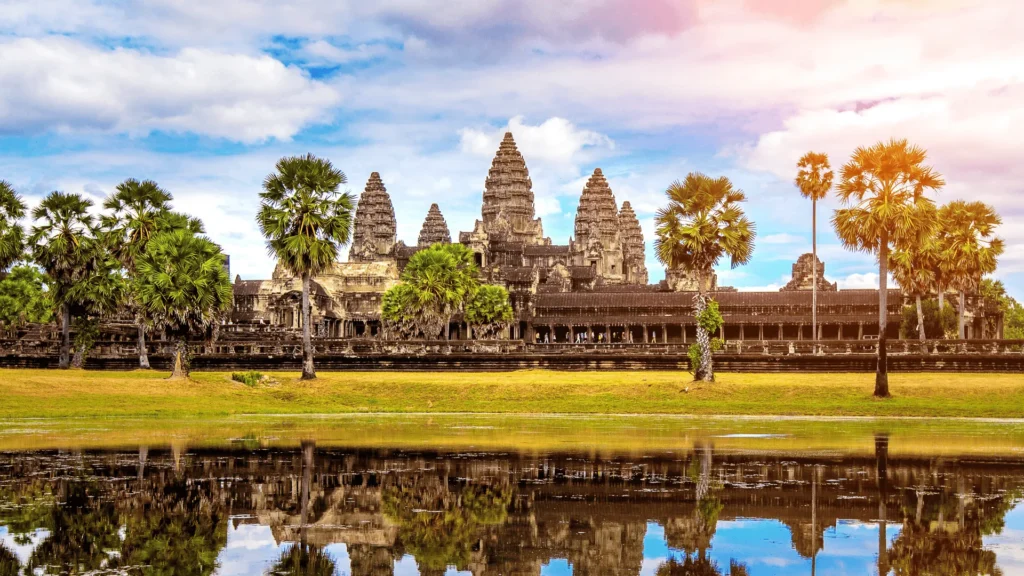
The most iconic of all Cambodian temples, Angkor Wat is the largest religious monument in the world. Built in the early 12th century by King Suryavarman II, this temple complex is renowned for its intricate carvings, impressive architecture, and stunning sunrise views. Angkor Wat represents the peak of classical Khmer architecture, and its grandeur is unmatched.
Tips for visiting: Arrive early for sunrise to capture the reflection of Angkor Wat on the surrounding moat. Don’t forget to explore the inner sanctum and the surrounding galleries filled with detailed bas-reliefs depicting scenes from Hindu mythology.
2. Bayon Temple
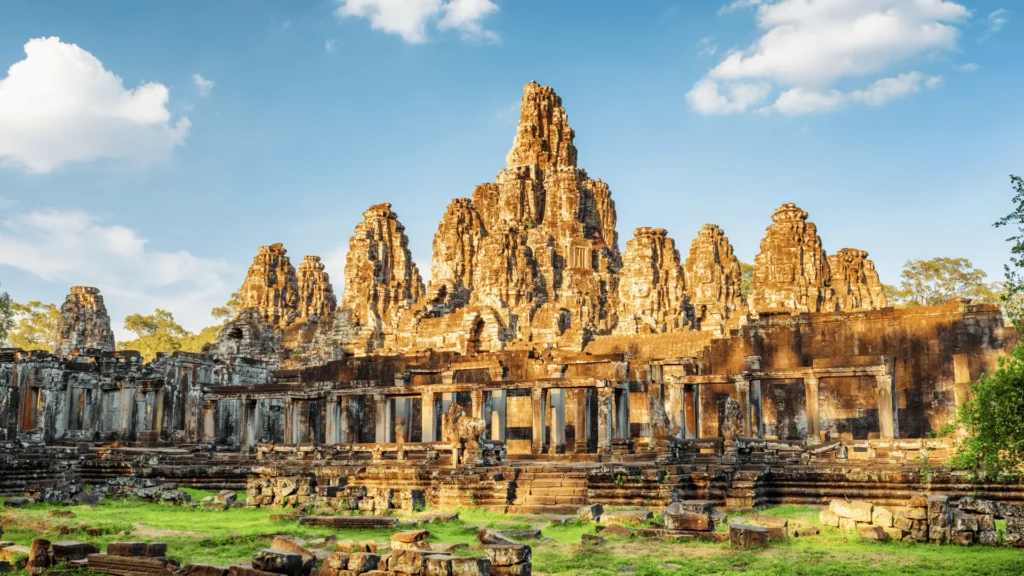
Located at the heart of Angkor Thom, Bayon Temple is known for its stunning collection of 200 large stone faces of Avalokiteshvara, the Bodhisattva of Compassion. These faces have become the symbol of the temple and represent an expression of the King’s power and connection with divine forces.
Tips for visiting: Bayon Temple’s detailed carvings tell the story of Cambodia’s history, so take your time to explore the temple’s interior. It’s also one of the best temples for photography, especially with the faces in the background.
3. Ta Prohm
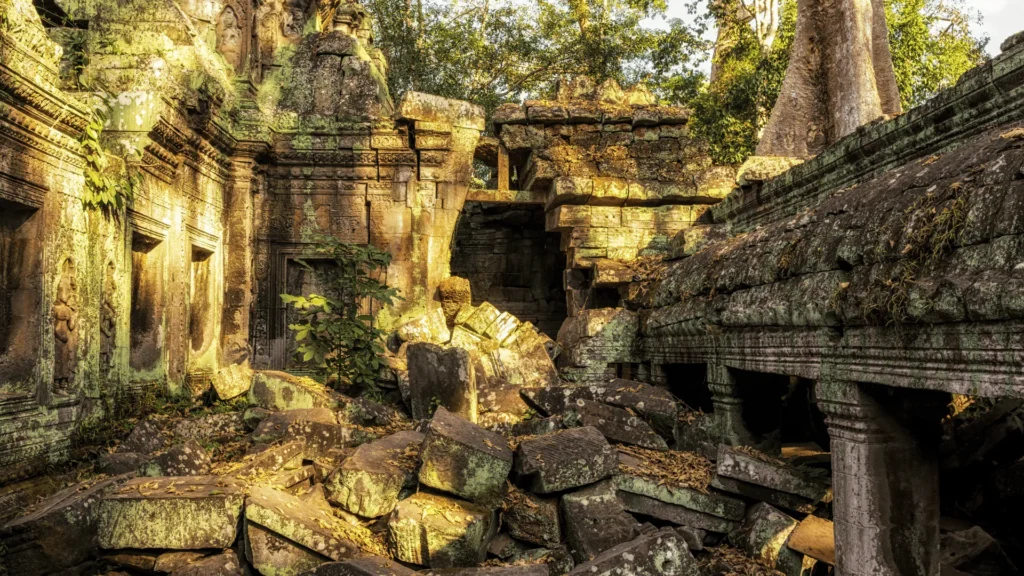
Famous for its eerie, jungle-clad appearance, Ta Prohm is one of the most photographed temples in Cambodia. Its beauty is enhanced by the enormous tree roots that envelop its walls, making it feel like a forgotten world. Ta Prohm was featured in the movie Tomb Raider and has become a must-visit for adventurers.
Tips for visiting: While exploring, look out for the tree roots growing through the temple stones—this is the temple’s unique charm. Early morning or late afternoon is the best time to avoid crowds.
4. Banteay Srei
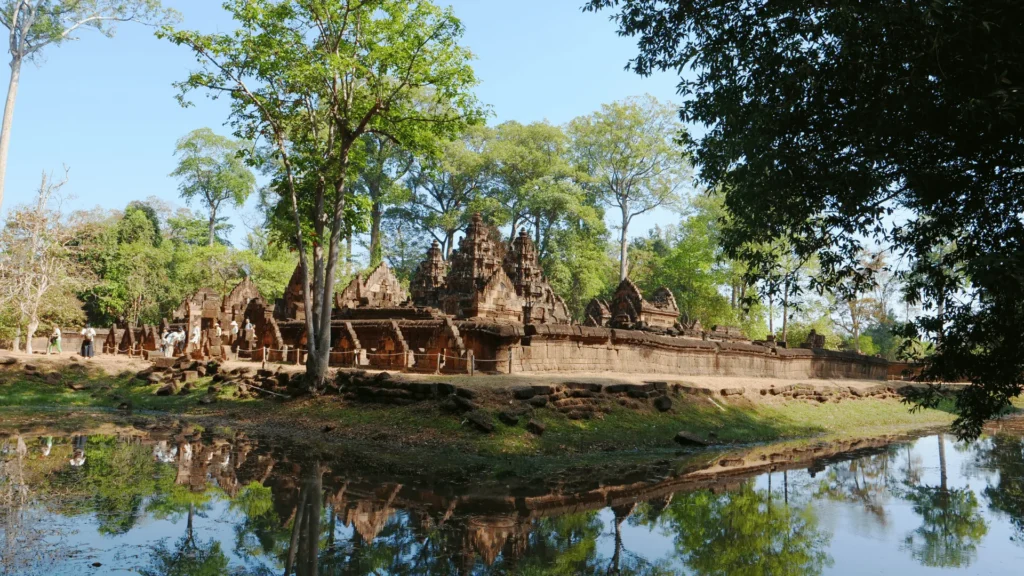
Located around 25 kilometers north of Angkor, Banteay Srei is a small yet intricately detailed temple dedicated to the Hindu god Shiva. Built in pink sandstone, this temple is renowned for its well-preserved carvings and decorative reliefs that depict Hindu mythology.
Tips for visiting: Often called the “Jewel of Angkor,” Banteay Srei is a smaller temple, so it’s easy to explore in a short amount of time. Its vibrant carvings are best viewed up close, so take your time to appreciate the details.
5. Preah Khan
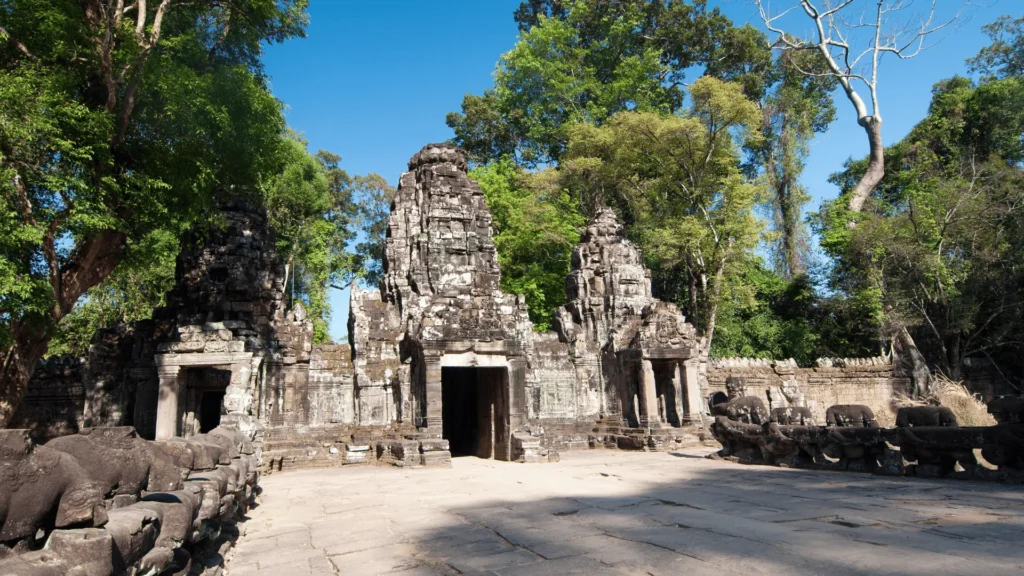
Preah Khan is another major temple within the Angkor complex. This sprawling temple is a blend of Buddhist and Hindu influences, with beautifully preserved carvings. The temple is surrounded by jungle and offers a more peaceful and less crowded experience compared to other Angkor temples.
Tips for visiting: Explore the temple’s inner sanctum and corridors, which are often less crowded. The site also has an impressive collection of intricate carvings that tell the stories of the temple’s history.
6. Banteay Kdei
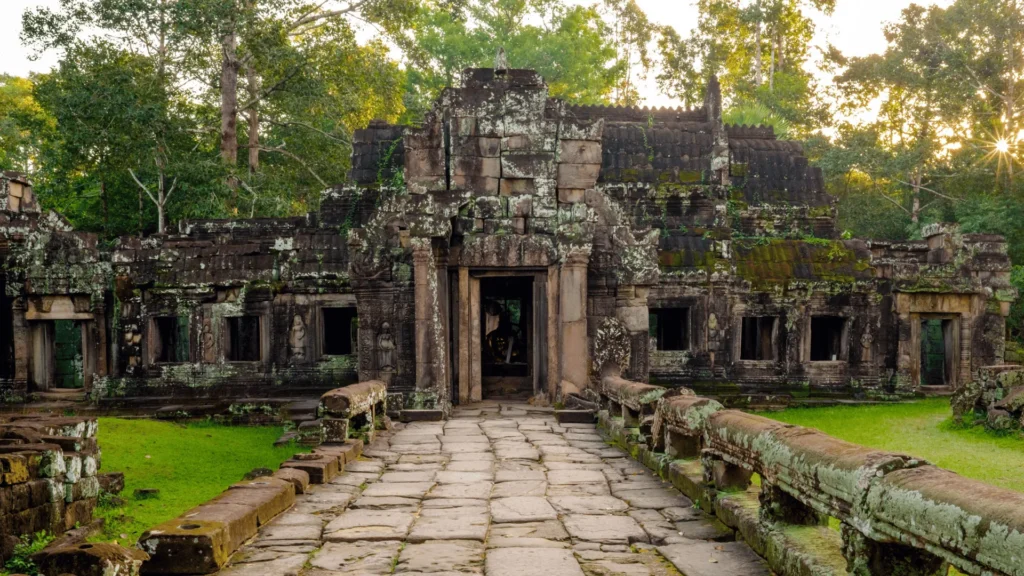
Banteay Kdei, located just east of Ta Prohm, is another beautiful but often overlooked temple in Angkor. Built in the 12th century, this Buddhist monastery features impressive galleries and a serene atmosphere. Though it’s not as popular as some other temples, it’s still well worth a visit for its peaceful ambiance.
Tips for visiting: Banteay Kdei is a perfect temple for those looking to escape the crowds. Its peaceful setting is ideal for photography, especially in the early morning or late afternoon.
7. Phimeanakas
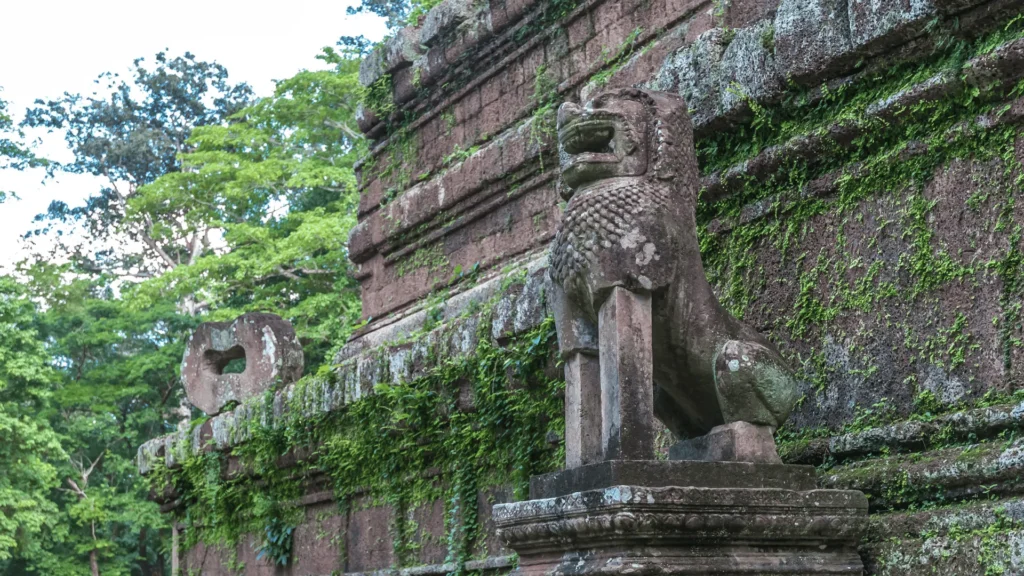
Phimeanakas, located within the Royal Square of Angkor Thom, is a pyramid-shaped temple that was used as the royal temple of the Angkorian kings. Though smaller than the other temples, its historical significance and architecture make it an interesting stop during your Angkor tour.
Tips for visiting: Climbing to the top of Phimeanakas offers a fantastic view of the surrounding Angkor Thom complex.
8. Neak Pean
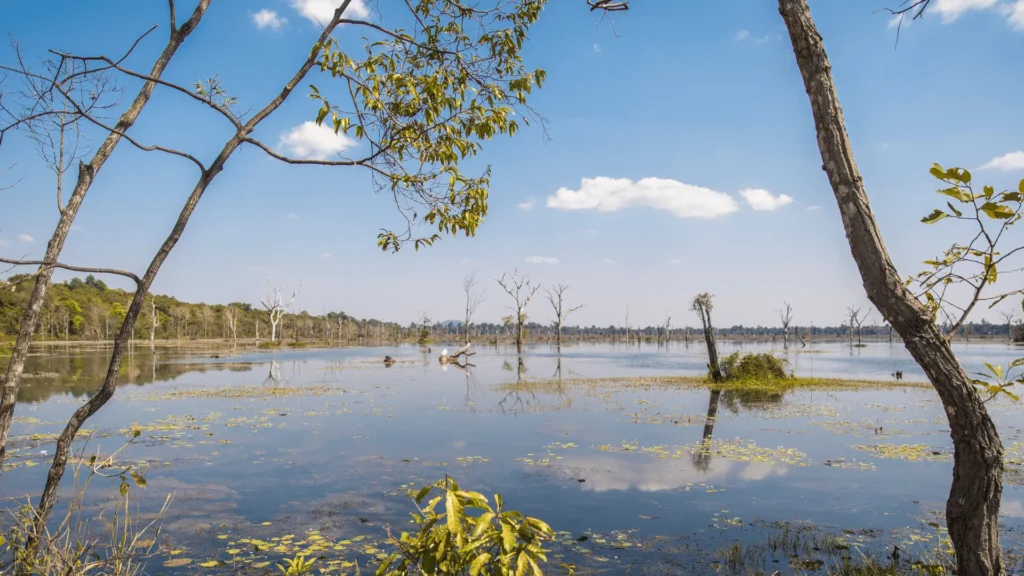
Neak Pean is a small temple located on an artificial island in the middle of the Baray (water reservoir). Its central structure is a shrine with a pool surrounding it, representing the concept of water in Hindu cosmology.
Tips for visiting: Neak Pean is best visited during the dry season when the surrounding waters recede, allowing you to explore the temple’s unique design. It’s a peaceful and less crowded site.
9. Ta Keo
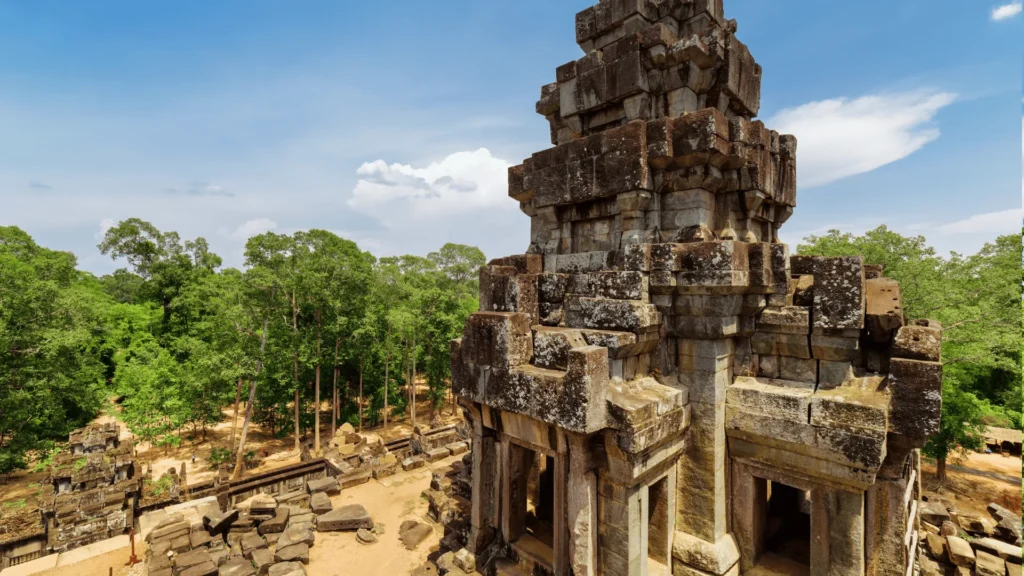
Ta Keo is one of the Angkor temples that remains largely unadorned, but its towering five-tiered pyramid offers incredible views of the surrounding landscape. Built in the late 10th century, it’s a perfect example of the grandeur of Khmer architecture.
Tips for visiting: The steep stairs may be challenging, but the panoramic views from the top make the climb worth it.
10. Chau Say Tevoda
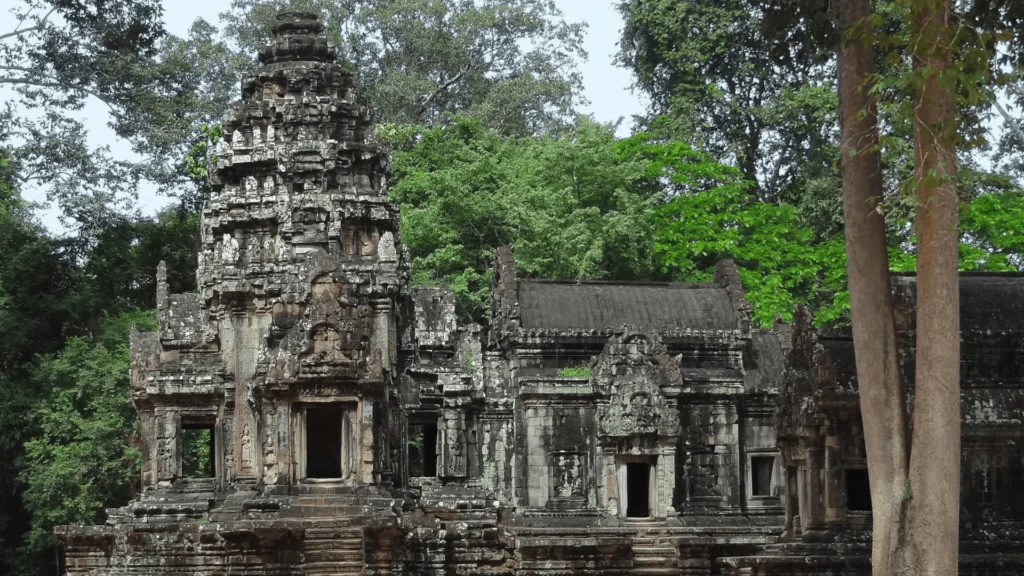
Located near Ta Keo, Chau Say Tevoda is a small but beautifully preserved temple. Built during the reign of King Suryavarman II, this temple is known for its detailed carvings of Hindu deities.
Tips for visiting: Chau Say Tevoda’s quiet location makes it ideal for photography without the crowds. It’s a great stop if you’re looking for a more intimate experience at Angkor.
Conclusion
Cambodia’s temples are more than just ruins—they are windows into the country’s ancient past, and each one tells a unique story. From the grandeur of Angkor Wat to the serene beauty of Ta Prohm, these sacred structures offer an unforgettable journey into the heart of Cambodian history and culture. Whether you’re exploring the majestic temples of Angkor or venturing to lesser-known sites, Cambodia’s temples are a must-see for any traveler.

